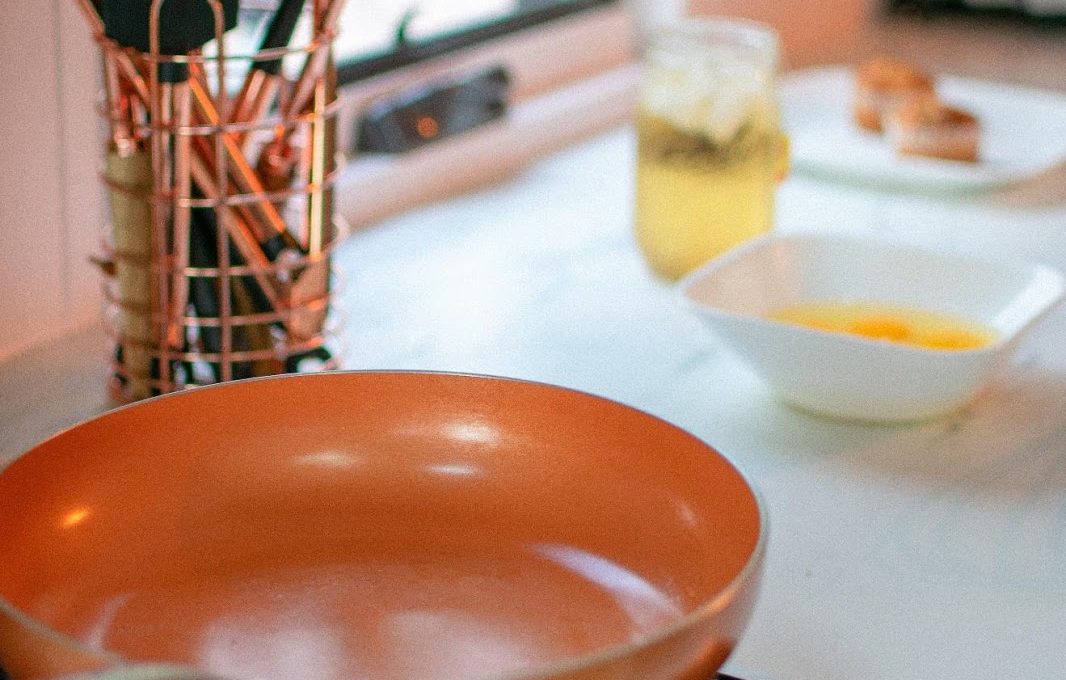
Several factors go into determining the quality of a pan aside from the price. Each pan plays its official role in the kitchen and is essential in its function. But pans cannot perform properly if they have the potential to bend easily or if the heat conduction deteriorates. These two points alone are said to render a pan worthless.
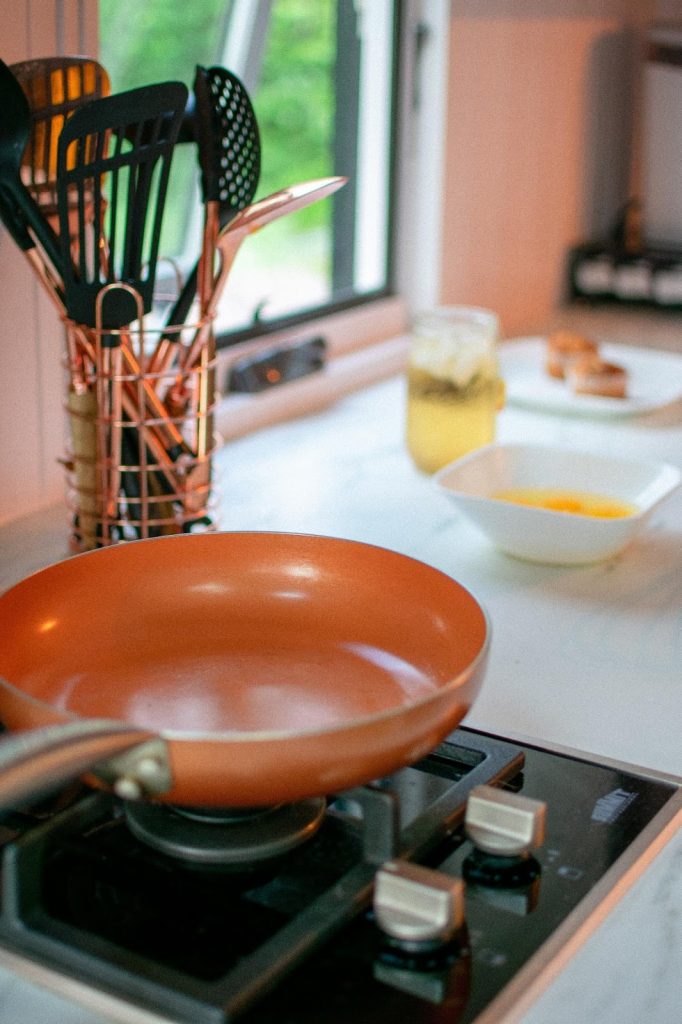
A chef can only be as good as the tools they use and this is true of pans. Having the right essential cook pan in front of you opens you up to any recipe that you can imagine. But you need to understand how to purchase your pan with the necessary components including the bottom, handles, and the lid. These will all play a part in making your experience that much more enriching.
Choosing The Materials For The Essential Pan
The materials that are used in constructing a pan should be a crucial aspect in deciding whether you purchase it. A multitude of criteria is based on the material including function, maintenance, and washing.
Pans of a lesser quality typically are constructed using straight metal that is formed by being bent. There is existent pressure on bent metal meaning the pan has the potential to bend on its own with any quick change of the temperature. Metal has the added flaw of rusting over time. This can cause stains disallowing the ability to clean the pan using the dishwasher. These types of pans eventually need to be tossed out.
Aluminum is an example of a material that is of higher quality for pans. It offers the right heat conduction and is low weight. It is touted as being inexpensive and can be bent and cast simply. Aluminum has difficulty when subjected to acids and salts. These substances leave white stains making it not safe for the dishwasher. Because of this, it needs to be wrapped in stainless steel. Stainless steel material can be cleaned in any number of ways, whether it be using the dishwasher, certain abrasives, or just a sponge. A pan that is simple to clean, functional, and maintenance-free is ideal for those who are busy in the kitchen. Find the perfect material for your pan at https://www.seattletimes.com/explore/shop-northwest/cast-iron-vs-nonstick-skillets-how-to-choose-the-right-pan/.
Heat Conduction As A Consideration For The Essential Pan
The success of the meal that you cook is going to be dependent on the heat conduction of the pan. If the heat is evenly distributed throughout the cooking process, you will have more control over how the food turns out.
There is an easy test you can do to see how evenly your pan distributes heat. Place your pan on the stove and cover the bottom of it with an even layer of flour. If there is poor heat conduction, there will be brown spots appearing in certain areas throughout the flour. If the heat is even, the entire surface of the flour should turn brown.
While copper is an awesome conductor, it is expensive and tough to maintain. But aluminum offers a great alternative as a good heat conductor at a better price. A large majority of pans made today offer an aluminum core.
A lesser quality pan is constructed with aluminum only added on the bottom. Those with quality are fitted on the sides to provide the best in absorption, storage, and division of the heat going from the bottom of the pan back to the top. In this way, you’re losing very little heat.

Making Sure To Have The Right Bottom For The Essential Pan
There is a misconception that you want the thickest bottom on your pan as you can get. A thicker bottom is going to hold onto the heat. If you are boiling something and need to bring it down to a simmer, you’ll turn down the heat. With a thick bottom, it’s still maintaining that temperature causing the contents to burn. This could prove detrimental to various sauces and things of that nature. You want to be sure to get the right pan with the right amount of thickness for your specific needs. Read here for ideas on choosing the right pan.
Choosing The Right Lid And Handles For Your Essential Pan
Some cooks prefer to have a heavy lid that will tightly seal the pan while others like to keep watch of the contents with a glass lid. A lid that closes in just the right way is going to keep the moisture inside the pain and preserve the heat as well as the flavor.
The handles allow you to firmly grab hold of the pan to move it where you need to. Heavier pans should offer two handles to maintain stability. Metal handles are ideally the material that should be sought after when choosing your perfect pan. They are typically welded to the pan meaning they won’t easily come off. These are dishwasher and oven safe (with the use of potholders).
Ultimately, the idea is to spend a little more on a quality set of pans that will last as opposed to settling for something second-rate. You truly do get what you pay for.
